Stone-seam-mechanical-joining-pin-alignment
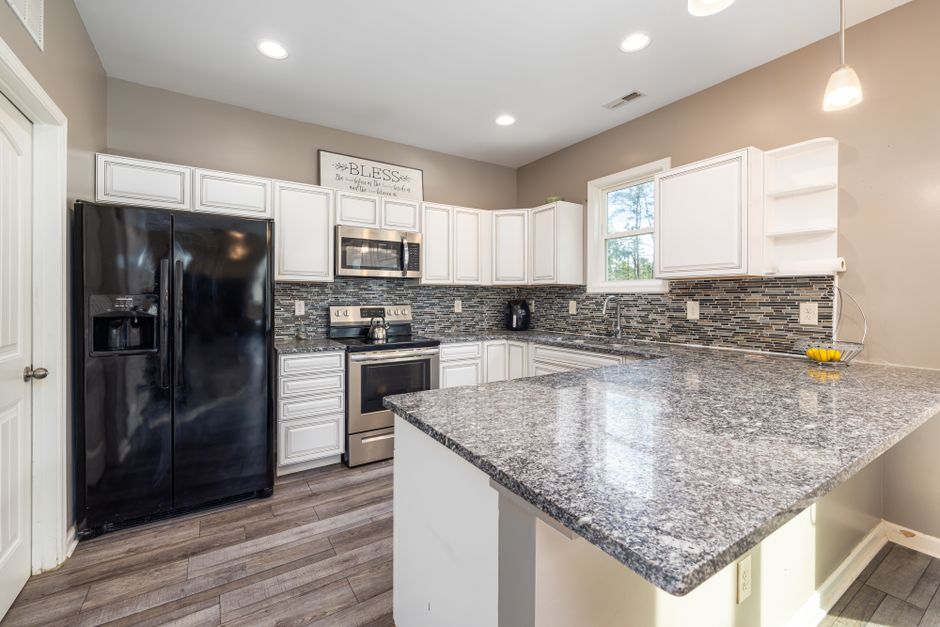
Vertical alignment depends on mechanical stability, and the running record hendersonville custom countertops idvl holds shows that even a slight tilt in a granite slab will ruin a seam. Achieving a level work surface in Hendersonville, NC, requires more than just epoxy and pressure. A single millimeter of deviation during the curing process creates a lip that no amount of polishing can fully erase. Precision starts with the physical connection between two pieces of stone.
Mechanical Pin Alignment Methods
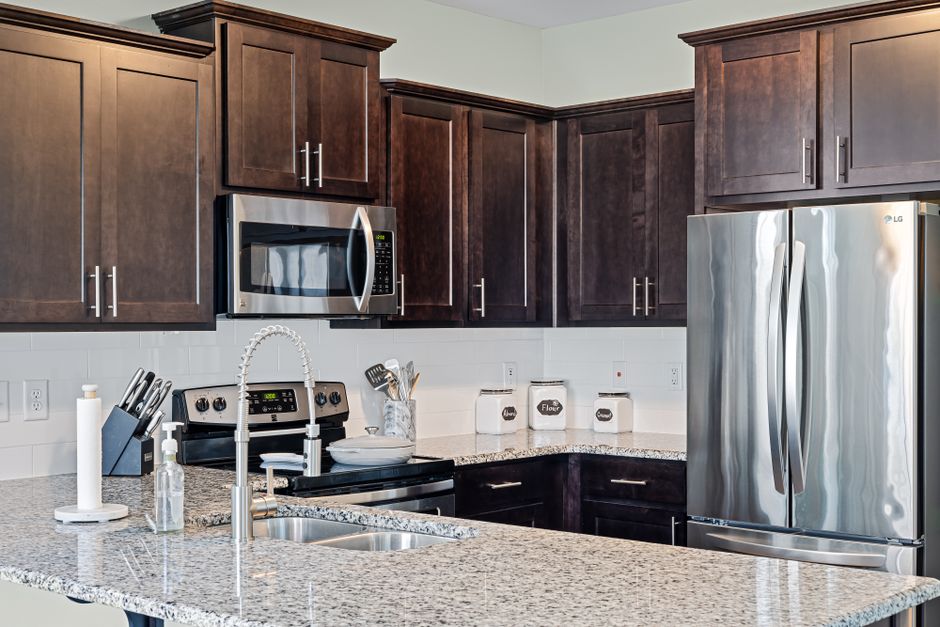
Metal or fiberglass rods serve as the primary tool for maintaining position. When two pieces of quartz meet, the rods are inserted into pre-drilled holes to act as dowels. These pins prevent the slabs from sliding laterally or dropping vertically while the adhesive sets. Using stainless steel rods is preferred because they do not react with the epoxy. Fiberglass offers an alternative for specific chemical environments, but metal provides the rigidity needed to combat the weight of a heavy slab. The holes must be drilled perfectly perpendicular to the face of the stone to prevent any tilt.
Placement of these pins determines the success of the joint. For a marble installation, the pins should be centered within the seam width. The depth of the hole must be calculated to account for the thickness of the epoxy and the rod itself. If the rod is too long, it pushes the slabs apart. If it is too short, the pieces shift. A small error in measurement leads to a visible step at the junction. This mechanical bond works alongside seam setters to distribute the load evenly across the contact area.
Managing Slab Weight and Gravity
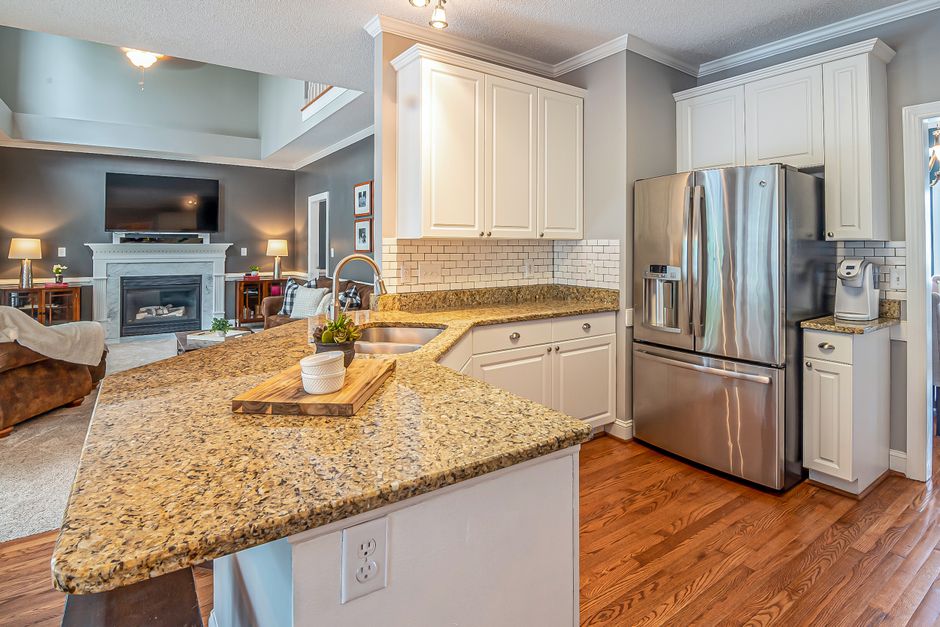
Gravity acts on every slab during the curing phase. A quartzite piece carries significant mass, and even a slight incline in the support structure will cause the material to creep. Pins act as the anchor. The rods lock the two pieces into a single unit. This is especially true for a waterfall edge where the vertical and horizontal planes must meet with absolute precision. Without the pins, the weight of the vertical piece might pull the joint out of alignment before the epoxy reaches its full strength.
The curing time is a variable that dictates the mechanical approach. Epoxy undergoes a chemical reaction that can generate heat and slight movement. The rods must be robust enough to resist these internal forces. In a shop setting in Hendersonville, NC, the use of heavy duty clamps provides the downward pressure, but the pins provide the directional control. A slab resting on a subtop must be supported so that the pins do not take the entire load of the stone, but rather manage the relationship between the two meeting edges.
Finalizing the Joint
Once the epoxy has hardened, the pins are removed. This leaves small voids that are filled with color matched resin. The seam is then ground down using diamond pads. A successful result shows no transition between the two pieces of stone. The rods ensure that the flat plane remains continuous from one side of the sink cutout to the other. Proper mechanical joining is the difference between a seamless appearance and a failed installation.