Undercut-cabinet-baseboard-clearance
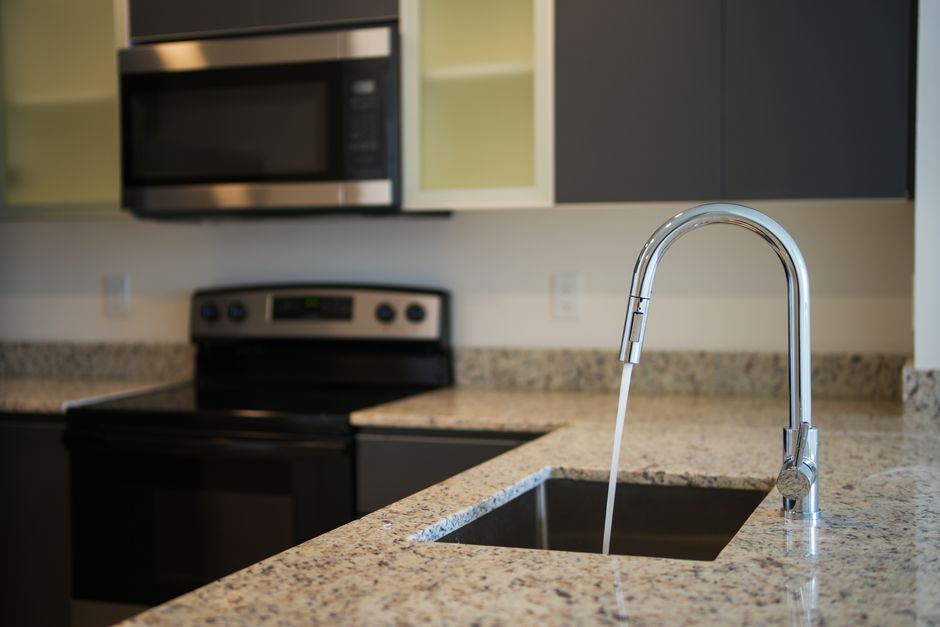
The toe kick recess provides the necessary foot clearance for a person standing at a work surface. Every teardown hendersonville custom countertops idvl has logged shows the same thing regarding the relationship between the cabinet baseboard and the slab overhang. Proper measurements in Hendersonville, NC ensure that a granite or quartz piece does not strike the cabinetry during installation. A mistake in the void depth causes the stone to sit proud of the toe kick, creating a trip hazard or a visual misalignment.
Calculating Void Depth and Overhang
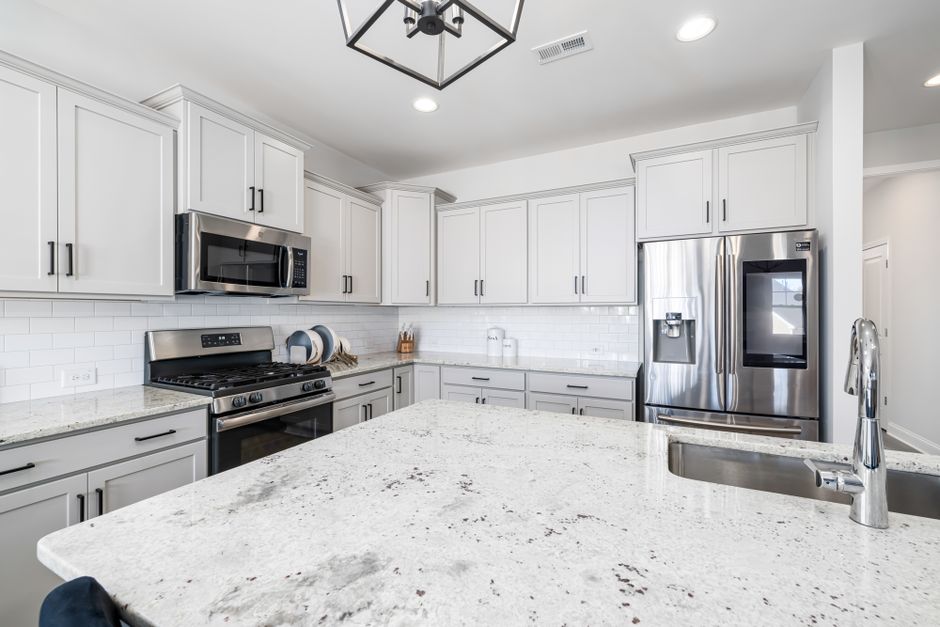
The standard overhang for most installations is one and a half inches. If the cabinet baseboard sits too far forward, the edge profile will collide with the woodwork. A measurement of the recessed area must account for the thickness of the material and the intended projection. A slab of quartzite or marble requires a clear path from the cabinet face to the back of the toe kick area. If the void depth is insufficient, the weight of the stone can put undue pressure on the front edge of the cabinet box.
Material Thickness and Clearance
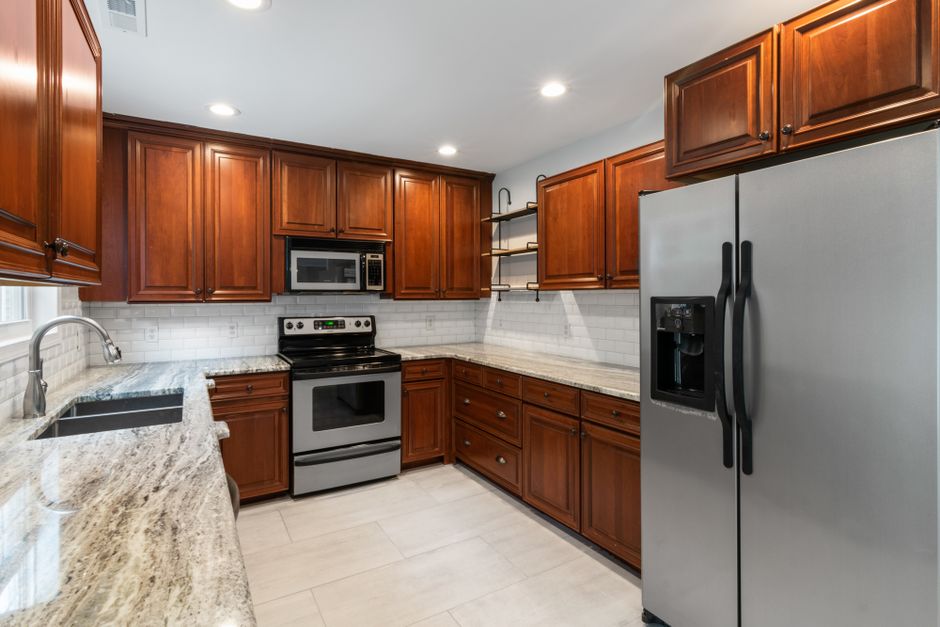
Thickness varies between two centimeters and three centimeters for most stone types. A granite slab at three centimeters requires more vertical clearance if an undermount sink is installed. The cutout must be positioned so the sink rim does not interfere with the structural integrity of the front rail. When a butcher block or laminate surface is used, the material is often thinner, which changes the math for the toe kick setback. A digital template provides the exact geometry needed to prevent these collisions.
Seam Placement and Structural Support
A seam placement near a corner or a sink cutout requires extra attention to the baseboard clearance. If a seam runs near the front edge, the support structure underneath must be perfectly level. Any deviation in the cabinet floor can cause a seam to open or a stone to crack. Using a remnant for a small area requires checking the thickness against the existing cabinetry. A waterfall edge demands even more precision because the vertical drop must align perfectly with the horizontal plane of the toe kick.
Template Accuracy and Final Fit
Templating ensures the stone matches the actual site conditions rather than theoretical drawings. A digital template captures the exact depth of the toe kick recess. This prevents the stone from hanging too far over the edge or sitting too far back. If the edge profile is a bullnose or an eased edge, the visual line must remain consistent from the cabinet face to the edge of the stone. Precision in the void depth prevents mechanical interference during the final setting of the slab.