Slab-edge-sealing-penetrant-application
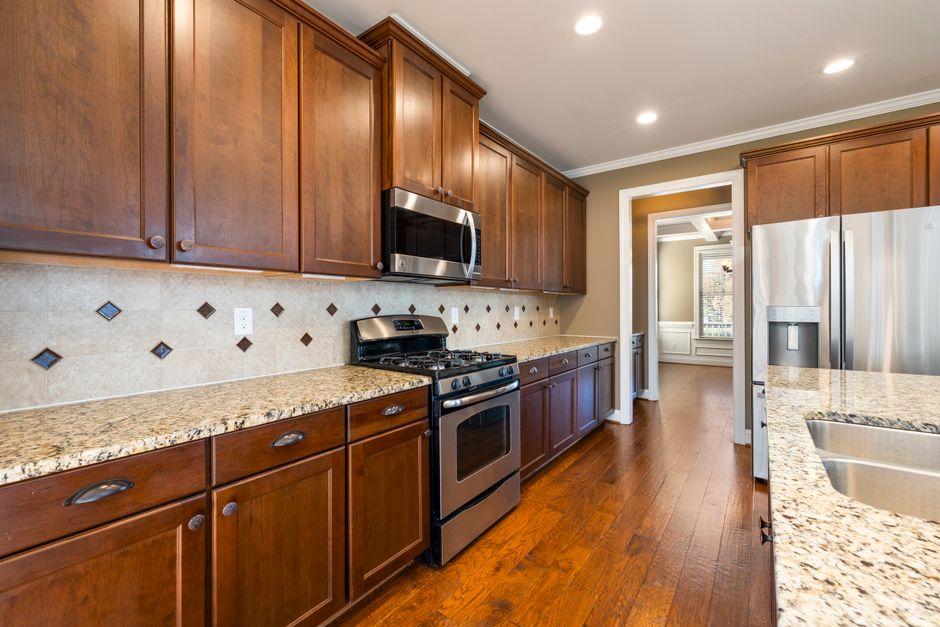
Not every polished slab surface remains protected once the fabrication process reaches the perimeter. The technical records hendersonville custom countertops idvl holds show that moisture infiltration often occurs at the raw edges of a granite countertop in Hendersonville, NC. While the face of the stone receives a high polish, the vertical grain remains open to the environment.
The Vulnerability of Unpolished Edges
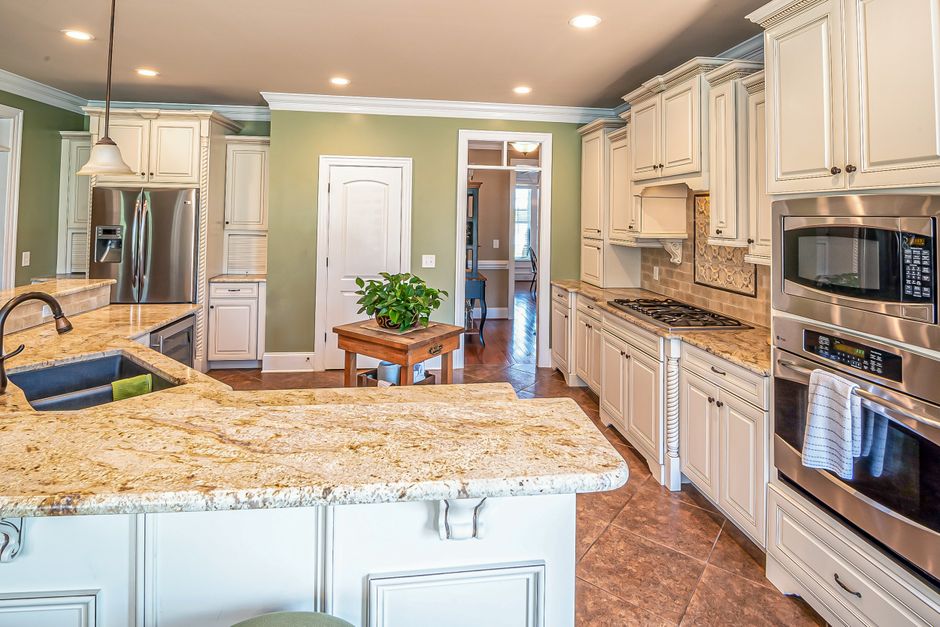
A raw edge on a quartzite slab possesses a different porosity than the honed or polished face. During the cutting phase, the mechanical action of the saw creates a microscopic network of channels. Without a topical sealer, liquid penetrates these channels quickly. This ingress leads to internal staining or structural degradation over time. Even a simple eased edge requires a specialized application to bridge these gaps. The density of the material dictates the depth of the sealer penetration, but the vertical plane always demands attention.
Sealing Mechanics and Application
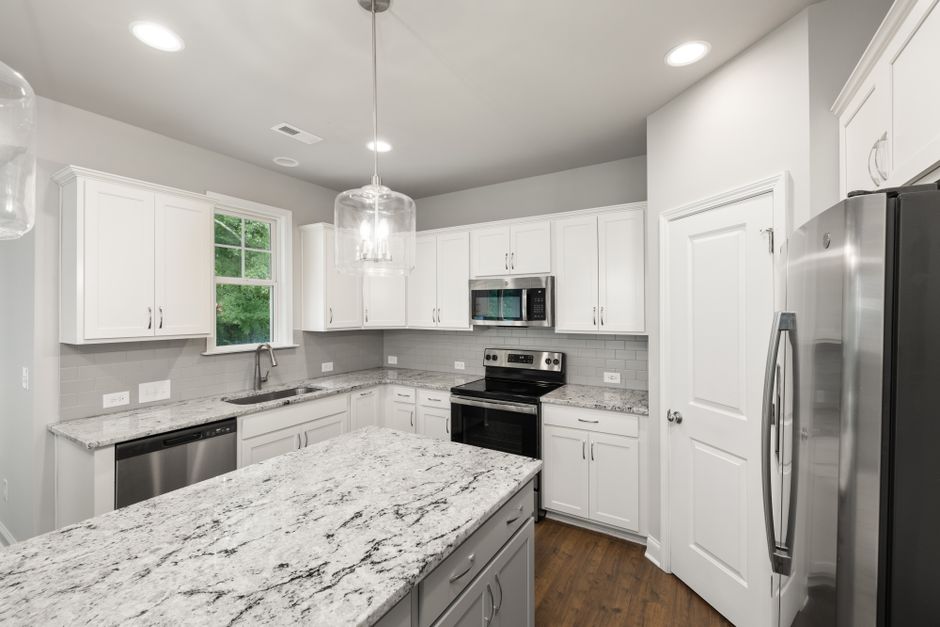
Applying a penetrant to a marble edge requires a steady hand and a clean surface. The liquid must sit in the pores long enough to bond without leaving a greasy residue on the polished face. A small sample overstates the edge, so a full application across the entire edge profile is the standard procedure. For a bullnose edge, the sealer must be worked into the radius to ensure no dry spots remain. If the sealer dries too fast, it leaves a patchy finish that fails to stop water. A slow, controlled soak is the mechanical requirement here.
Managing Cutouts and Seams
The perimeter is not the only area of concern. Every sink cutout and every seam requires a secondary layer of protection. A seam placement that lacks proper sealant becomes a funnel for spills. When a waterfall edge is fabricated, the vertical drop creates a massive surface area of raw or semi-polished stone that needs uniform coverage. The junction where a slab meets a backsplash is a common failure point for moisture control. Sealant must be applied to the underside of the overhang to prevent capillary action from pulling moisture upward into the stone.
Porosity Variations in Different Materials
Different stones react to topical sealers in distinct ways. While quartz is largely non-porous, some engineered products still benefit from edge protection to prevent resin degradation. Natural soapstone remains highly absorbent and requires frequent reapplication to the edges. Even a remnant used for a small vanity needs this treatment. The goal remains consistent across all materials: closing the pathways created during the templating and cutting stages. A dry, well-sealed edge is the only way to maintain the integrity of the stone in a kitchen environment.